A post lockdown wine buying spree lead me to relook at our existing wine stock. I discovered I had. A few bottles of Shiraz needed drinking.
I realised that the Shiraz in our cellar was from some very different areas in South Africa and all had good reputations. We invited a few close friends to join us to taste and compare the different wines.
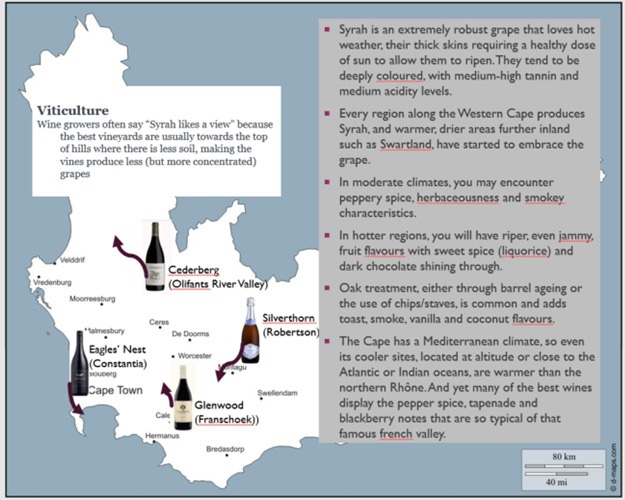
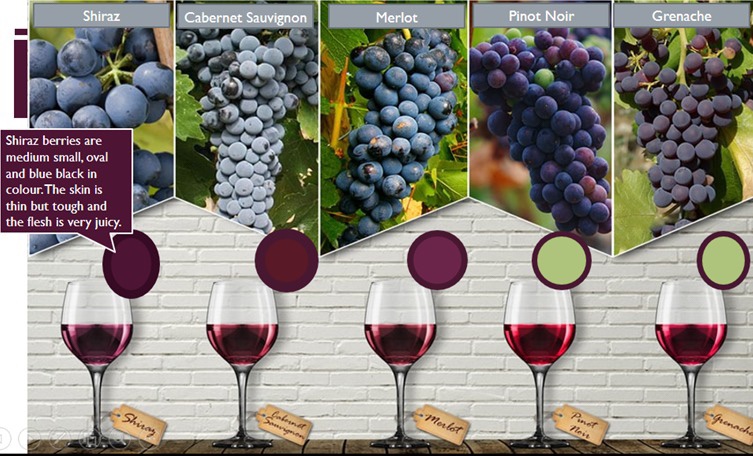
There are several myths associated with the emergence of Syrah — one involves a Roman Emperor planting the grape in France in 280 A.D. and another involves a winemaker from Iran, where legend says the grape was actually born, bringing the vines with him to France in 600 B.C. where he settled in Marseilles.
DNA tests from the 1990s confirm the grape originates from the northern Rhône. Syrah may have arrived on South African shores in the second half of the 17th century, but it’s only recently that it has emerged as the Cape’s most exciting red grape, with 10% of plantings and increasing.
We we lucky to have DP Burger, the wine maker from Glenwood, join us via Zoom.
I prepared a menu to pair with the wines. I enjoyed reading up on the history and style of Shiraz in South Africa. To make things more interesting I found a Method Cap Classique from Robertson made from 100% Shiraz grapes and a port style wine from Stellenbosch that was made from Shiraz grapes left on the vine to ripen.
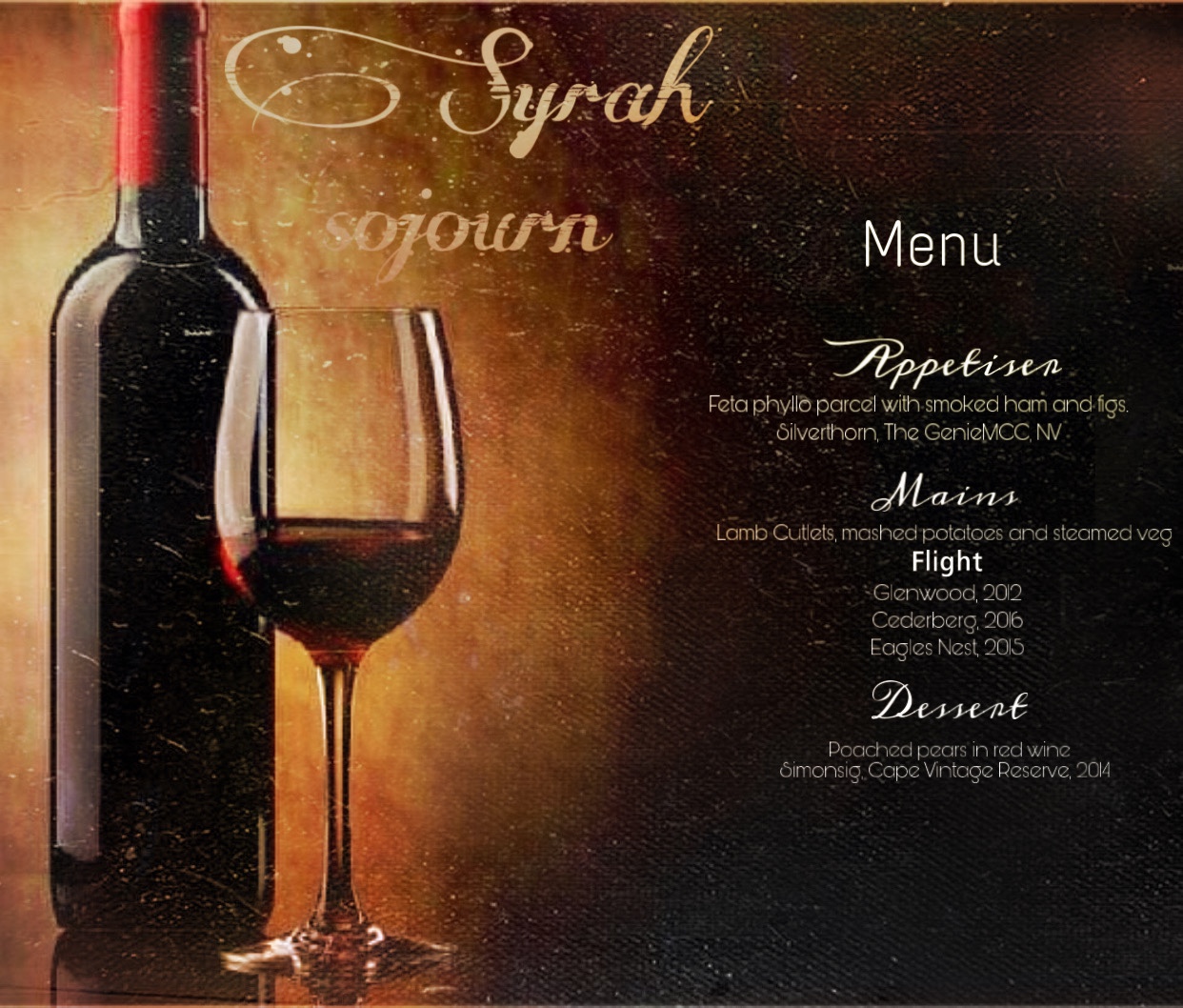
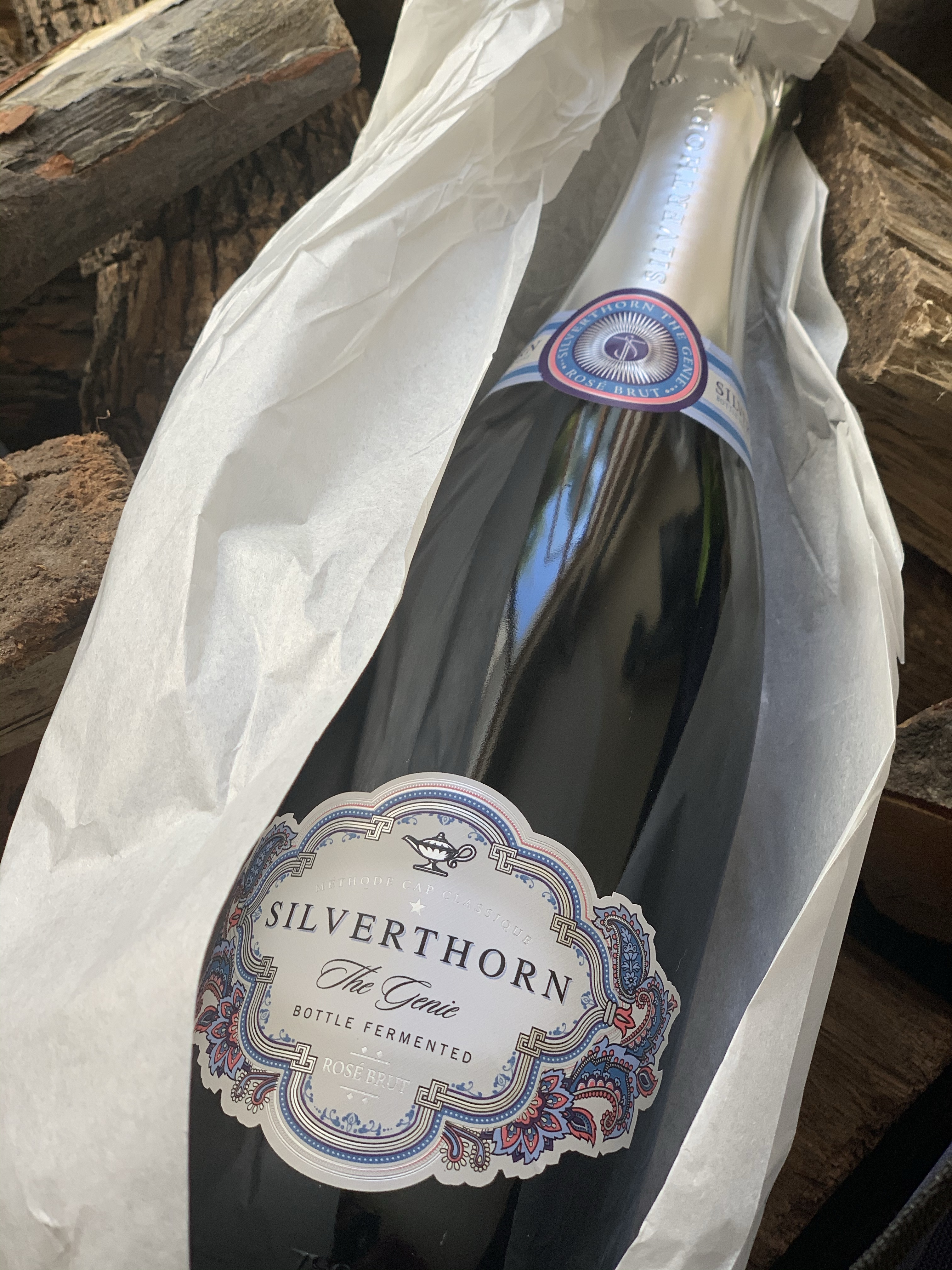
Aperitif: The Genie, Method Cap Classique, Silverthorn This 100% Shiraz MCC in a rose style from Robertson was fascinating. Traditionally, Rosé Champagne is made form two red varieties, namely Pinot Noir and Pinot Minuer, the Genie we breaks the rules. Embracing the free-willed spirit of the Genie, Silverthorn opted for something far more daring and exotic, and used Shiraz. The colour was a magical salmon with a touch of purple. This style was considered “gutsy” with Robertson soil on the weak side, a lot of Shiraz production is made into rose style wines. What probably started off as an interesting experiment has resulted in a beautiful dry and fruity MCC. The Genie was hand harvested in mid February in the early hours of the morning at 19 degrees balling. The grapes were whole bunch pressed with a very low recovery rate of only 550 liters per ton – this ensures that no bitter tannins are extracted and leaves the juice with a beautiful light purple colour. The colour gradually evolves into a salmon pink. Fermentation took place in a stainless steel tank at 15 degrees Celsius. Secondary fermentation occurred in the bottle and the wine spent a minimum time of 15 months on the lees after which it was manually riddled and degorged. Total production – 13 900 bottles.
In conclusion, Shiraz wine in South Africa is influenced as much by the wine making style as the terroir and climate. The Eagles Nest was the winner for most but only by a hair compared to the Glenwood 2013.
The Cedarberg was probably young by comparison and could have done with more aging. That being said, the Eagles Nest and Glenwood styles are not made for aging (the Glenwood 2012 which was originally planned as part of the flight was not up to the task).
As always, wine is always made better by the atmosphere and the company and these were perfect. Sitting round a fire on a cold winters night with close friends and family enjoying wine can’t be beat!
 Don’t Cry Over Spilt Wine